
Exemestane and libido
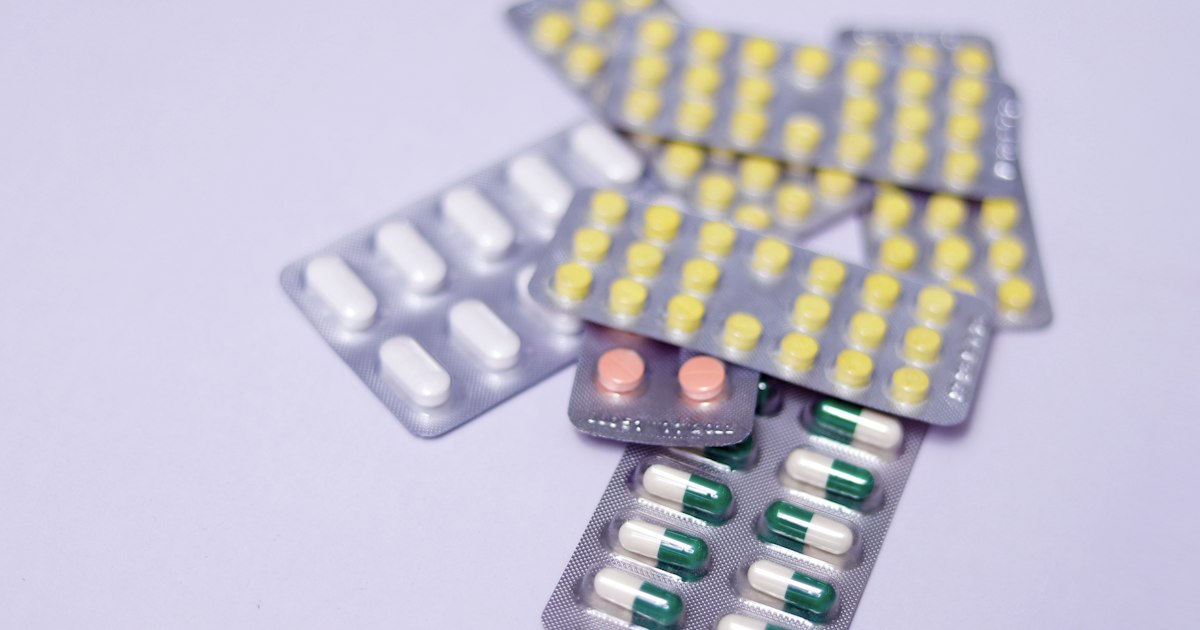
Exemestane is a steroidal aromatase inhibitor created for the treatment of breast cancer. Among people who encounter it outside oncology, one question is heard most often: what will happen to libido? The editors explain why the answer depends on sex, the baseline hormonal background and how deeply estradiol is suppressed.
Why libido specifically: the link between estrogens and sexual desire
Sexual desire is the result of several systems working at once: hormonal, nervous, vascular and psychological. For a long time libido in men was associated exclusively with testosterone, and in women - with estrogens. Modern endocrinology shows a more complex picture: in men a significant part of the 'sexual' effects of testosterone is realized precisely through its conversion into estradiol.
This conversion is catalyzed by the enzyme aromatase, which is present in adipose tissue, the brain, bones, testes and skin. In the hypothalamus and other areas of the brain responsible for motivation and sexual behavior, the local formation of estradiol participates in the formation of desire. Therefore any drug that blocks aromatase potentially affects this link too.
Exemestane acts precisely on this enzyme. Unlike the nonsteroidal inhibitors - anastrozole and letrozole - it has a steroidal structure similar to androstenedione and binds irreversibly to aromatase. Such compounds are called 'inactivators' or 'suicide' inhibitors: the enzyme that has bound the molecule drops out of work, and to restore activity the cell needs to synthesize a new protein.
Hence a practical consequence: the effect of exemestane on estrogen levels can be profound and lasting. For oncology patients this is the goal of treatment, but for a man with a normal hormonal background it is a risk of ending up in a state of estradiol deficiency, one of the first manifestations of which is often precisely a decrease in desire.
What studies in men show
The most convincing data on the role of estradiol in male libido came from the study by Finkelstein and co-authors, published in the New England Journal of Medicine in 2013. In healthy men their own sex hormones were pharmacologically 'switched off', and then different doses of testosterone were added - in some participants together with an aromatase inhibitor. This made it possible to separate the effects of androgens and estrogens.
The result was telling: the decline in sexual desire and erectile function depended largely on the drop in estradiol levels, not testosterone alone. In other words, a man with entirely normal testosterone but sharply suppressed estradiol may experience a noticeable decrease in libido.
Exemestane has also been studied in young men. In the work of Mauras and co-authors (2003) the drug lowered estradiol and at the same time raised testosterone by weakening the negative feedback in the hypothalamic-pituitary system. These data are sometimes interpreted as 'proof of benefit' for libido, but the rise in testosterone does not automatically compensate for the loss of the estrogen signal.
Some authors also discuss the weak intrinsic androgenic activity of the exemestane metabolite - 17-hydroxyexemestane. Its clinical significance for sexual function has not been established, and the editors do not recommend relying on this argument: there is no evidence base showing a 'protective' effect of exemestane on libido.
Exemestane and sexual function in women
The main group of patients who receive exemestane are postmenopausal women with hormone-dependent breast cancer. Their estrogen levels are already low, and the aromatase inhibitor removes the residual production of estradiol in peripheral tissues. The consequences for sexual health are described in the oncology literature in considerable detail.
Most often patients report vaginal dryness, pain during sexual intercourse (dyspareunia), decreased arousal and interest in sex. Part of these manifestations is local in nature - atrophy of the urogenital tract mucosa - and part is related to general well-being: hot flashes, joint pain and fatigue, which are also typical side effects of aromatase inhibitors.
In large randomized studies of exemestane, in particular IES (Coombes et al., 2004) and MAP.3 (Goss et al., 2011), quality of life was assessed using standardized questionnaires. The overall picture is this: the drug's tolerability in most women is acceptable, but menopausal symptoms, which include sexual complaints, occur more often than in the comparison groups.
Importantly, these complaints are amenable to correction. Oncologists and gynecologists use non-hormonal moisturizers and lubricants, pelvic floor physiotherapy and psychological support. The question of local estrogen therapy in patients with breast cancer is decided individually, so you must not start any hormonal treatment on your own.
- Local factors:dryness and atrophy of the mucosa, discomfort, microtrauma.
- Systemic factors:hot flashes, sleep disturbances, arthralgia, fatigue.
- Psychological factors:stress over the diagnosis, changes in body image, anxiety.
What the effect depends on: a comparative table
The effect of exemestane on libido is not the same for everyone. It is determined by the baseline estrogen level, sex, age, concomitant diseases, the simultaneous use of other drugs and the psychological state. Below the editors have summarized the main scenarios described in the literature in a single table.
| Group | What happens to the hormones | Typical effect on libido |
|---|---|---|
| Postmenopausal women (oncology) | Residual estradiol drops to very low values | Often a worsening due to dryness, dyspareunia and general symptoms |
| Men with a normal hormonal background | Estradiol falls, testosterone may rise | Risk of decreased desire and erection with excessive suppression of E2 |
| Men with obesity and high estradiol (research settings) | Normalization of the T/E2 ratio | Data are contradictory, not recommended routinely |
| Individuals who use androgens without a prescription | Unpredictable fluctuations of all sex hormones | High risk of a libido 'crash' with excessive suppression |
The most vulnerable group is men who use exemestane on their own, 'just in case' or 'to control estrogen'. Because of the irreversible mechanism of action, estradiol levels can drop below the physiological range, and the person experiences this as apathy, absence of morning erections, dry joints and a depressed mood.
Another trap is a laboratory one. Standard immunoassays for estradiol have limited accuracy in the low range, and for patients receiving exemestane, cases of falsely elevated results due to cross-reaction with the drug's steroidal metabolites have been described. Therefore, assessing the situation 'from a single test' is risky.
Finally, libido rarely depends on just one hormone. Sleep deprivation, depression, alcohol, thyroid diseases, elevated prolactin, and taking antidepressants - all of this can be superimposed on the effect of an aromatase inhibitor, and without an examination it is impossible to separate these factors.
When to see a doctor and what to discuss
If exemestane has been prescribed by an oncologist, a decrease in libido is a reason for a frank conversation, not for stopping treatment on your own. Adjuvant hormonal therapy substantially reduces the risk of cancer recurrence, and interrupting it prematurely may cost far more than temporary discomfort. The doctor will help select ways to correct the symptoms.
Men whose sexual complaints appeared against the background of taking any aromatase inhibitor should see an endocrinologist or andrologist. Usually total and free testosterone, estradiol (preferably by a sensitive method), LH, FSH, prolactin and TSH are assessed, as well as overall health and the use of other drugs.
It is worth remembering that exemestane is on the WADA Prohibited List in the section of hormone and metabolic modulators. For athletes subject to doping control, its use is possible only in the presence of medical indications and a granted therapeutic use exemption.
The editors separately emphasize: we do not provide any schemes for 'controlling estrogen' with the drug. The information about doses in this article is limited to the official instructions for oncological indications, and any use beyond them is a decision that must be made only by a doctor, taking tests into account.
Editors' conclusions
Estradiol is a full participant in the regulation of sexual desire, not only in women but also in men. Therefore exemestane, which deeply and irreversibly suppresses aromatase, is capable of reducing libido in both sexes, although the mechanisms and manifestations differ.
In women in oncological practice, sexual complaints are related mainly to urogenital atrophy and general menopausal symptoms and respond well to supportive therapy. In men the key risk is excessive suppression of estradiol, especially with independent use.
Any changes in libido against the background of hormonal drugs should be discussed with a doctor and assessed by a set of tests, not by sensations or a single indicator.
If this topic interests you, we recommend reading our materials 'Tests when using Exemestane', 'Cabergoline and libido' and a review of the role of estradiol in the male body.
References
- Finkelstein JS, Lee H, Burnett-Bowie SA, et al. Gonadal steroids and body composition, strength, and sexual function in men. N Engl J Med. 2013;369(11):1011–1022.
- Mauras N, Lima J, Patel D, et al. Pharmacokinetics and dose finding of a potent aromatase inhibitor, aromasin (exemestane), in young males. J Clin Endocrinol Metab. 2003;88(12):5951–5956.
- Coombes RC, Hall E, Gibson LJ, et al. A randomized trial of exemestane after two to three years of tamoxifen therapy in postmenopausal women with primary breast cancer. N Engl J Med. 2004;350(11):1081–1092.
- Goss PE, Ingle JN, Alés-Martínez JE, et al. Exemestane for breast-cancer prevention in postmenopausal women. N Engl J Med. 2011;364(25):2381–2391.
- Pfizer. Aromasin (exemestane tablets): prescribing information. U.S. Food and Drug Administration.
- World Anti-Doping Agency. The World Anti-Doping Code: Prohibited List. Montreal: WADA (актуальна редакція).
Andriy Melnyk
A strength-sports coach and author of programs for beginner and intermediate levels. Writes about training planning.