Interaction of LGD-3303 with other substances
When it comes to the interactions of poorly studied SARMs, one usually has to speak only of assumptions. LGD-3303 differs slightly: for it there is at least one published study of a combination with another drug. The editors examined what follows from this and which combinations raise the most questions.
The only studied interaction: alendronate
LGD-3303 is a rare case among 'research' SARMs: for it there is at least one published study of an interaction with another drug. Admittedly, it was conducted in animals and concerns not safety but efficacy.
In the work of Vajda and co-authors (2009) LGD-3303 was combined with alendronate - a bisphosphonate that inhibits bone destruction by osteoclasts. In a model of osteopenia in female rats after ovariectomy, the combination gave an additive effect on bone parameters compared with each drug separately.
This is an example of a pharmacodynamic interaction: the two agents act on different links of bone remodeling, and their effects add up. For the developers, such a finding was an argument in favor of combination therapy for osteoporosis.
However, from this work one cannot draw conclusions about combining LGD-3303 with bisphosphonates in humans: there are no data on the safety, the pharmacokinetics of the combination or the clinical results. Bisphosphonates are prescription drugs that a doctor prescribes for clear indications.
Pharmacokinetics: the great unknown
In a pharmacological work of 2009, the oral bioavailability and pharmacokinetics of LGD-3303 in rats were described (Vajda et al., 2009). But data on which cytochrome P450 enzymes metabolize the compound in humans are absent from the public domain.
Without this knowledge it is impossible to predict interactions with common drugs that inhibit or induce hepatic enzymes: some antibiotics, antifungal agents, anticonvulsants, HIV medications, as well as grapefruit juice.
Theoretically, inhibitors of metabolism could increase the concentration of LGD-3303 and enhance its effects, in particular suppression of the hormonal axis, while inducers - the opposite. But this is only the general logic of pharmacokinetics, not established facts.
For a person who constantly takes medications, such uncertainty is a strong reason not to experiment with unlicensed substances and to be sure to tell the doctor about everything they take.

Antiandrogens, aromatase inhibitors and 5-alpha-reductase inhibitors
Some people combine SARMs with drugs used during steroid cycles, out of habit or on the advice of a forum. For nonsteroidal modulators the logic of such combinations is often flawed.
5-alpha-reductase inhibitors (finasteride, dutasteride) block the conversion of testosterone into dihydrotestosterone. Nonsteroidal SARMs, as far as is known from the literature on the class, are not substrates of this enzyme, so there is no basis for expecting 'protection' of the prostate or hair from such a combination (Narayanan et al., 2018).
Aromatase inhibitors reduce the formation of estradiol. Since nonsteroidal SARMs are not aromatized, while one's own testosterone may decrease against their background, adding an aromatase inhibitor risks causing a profound estrogen deficiency - with consequences for the bones, lipids, joints and libido.
Receptor-acting antiandrogens, such as bicalutamide, compete for the same androgen receptor, so theoretically they weaken the effect of any agonist. These drugs are used in oncology and other medical situations, and combining them with SARMs outside medical supervision makes no sense.
| Drug or group | Expected result of the combination | Editors' comment |
|---|---|---|
| Alendronate | Additive effect on bone in rats | The only studied interaction; data are only preclinical |
| 5-alpha-reductase inhibitors | Probably no 'protective' effect | SARMs are not substrates of the enzyme |
| Aromatase inhibitors | Risk of estradiol deficiency | No pharmacological justification |
| Other SARMs, steroids | Summation of androgenic effects | Enhanced axis suppression, decreased HDL |
| Warfarin, glucose-lowering drugs | Possible change in action (described for androgens) | Medical monitoring is needed |
Other androgens and supplements
Combining LGD-3303 with other SARMs or anabolic steroids means the simultaneous action of several agonists on the androgen receptor. As expected, suppression of one's own testosterone production, a decrease in HDL and a load on the liver are enhanced, and it becomes impossible to identify the 'culprit' of a side effect (Pope et al., 2014).
For testosterone and related androgens, the package inserts describe interactions with anticoagulants (enhanced action), insulin and oral glucose-lowering agents (a change in the need for them) and corticosteroids (fluid retention). It is logical to consider them potentially relevant for LGD-3303 as well.
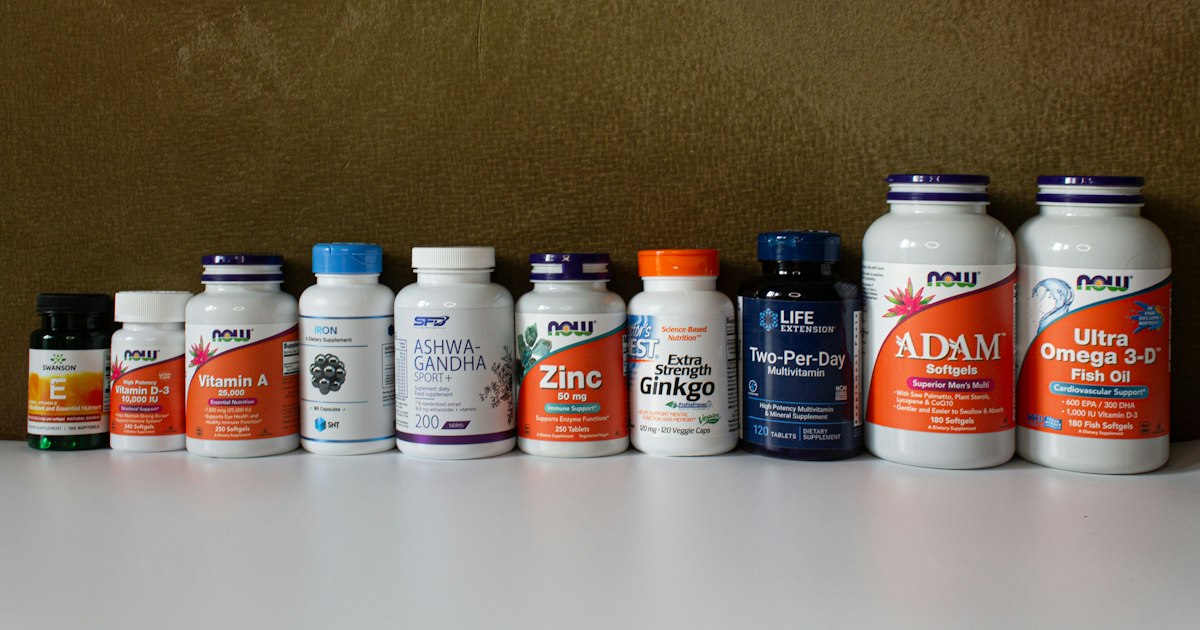
As for ordinary sports supplements - protein, creatine, caffeine, vitamin D - there are no direct data on interactions, and there are few pharmacological reasons to expect them. However, caffeine and stimulants can worsen the sleep disturbances and palpitations that are often attributed to SARMs.
Alcohol should be considered separately: it by itself loads the liver and worsens sleep and recovery, so in combination with any poorly studied substances it is better avoided.
- do not combine poorly studied substances with prescription drugs without a doctor;
- do not add 'protective' drugs from steroid regimens without medical indications;
- tell the doctor about all substances used before an examination.
Effect on tests and hidden composition
Androgenic substances change the results of laboratory tests: they lower LH, FSH, total testosterone and sex hormone-binding globulin, and affect the lipid panel and liver enzymes. If the doctor does not know about their use, the results may be misinterpreted.
Another 'interaction' that cannot be predicted is with the product's composition. In a study of products under the SARM brand bought online, a significant portion did not match the label: it contained a different amount of the substance, a different compound or several active substances at once (Van Wagoner et al., 2017).
So a person who carefully checks the compatibility of LGD-3303 with their medications may in fact be taking a different substance with a different metabolism and interactions.
For athletes there is an additional circumstance - doping control: LGD-3303 is banned by WADA, and the presence of undeclared substances in a product does not exempt one from responsibility.
Editors' conclusions
For LGD-3303 only one interaction has been published - an additive effect on bone in combination with alendronate in rats. There are no data on pharmacokinetic interactions in humans.
The combinations popular on forums with aromatase or 5-alpha-reductase inhibitors have no pharmacological justification, while combinations with other androgens enhance the known risks of the class.
The unknown composition of the products makes any compatibility calculations conditional, and changes in laboratory parameters can complicate diagnosis.
We also recommend reading our materials on LGD-3303 and bone tissue, the effect of LGD-3303 on the liver and the interaction of ACP-105 with other substances.
References
- Vajda EG, Hogue A, Griffiths KN, et al. Combination treatment with a selective androgen receptor modulator q(SARM) and a bisphosphonate has additive effects in osteopenic female rats. J Bone Miner Res. 2009;24(2):231–240.
- Vajda EG, et al. Pharmacokinetics and pharmacodynamics of LGD-3303, an orally available nonsteroidal selective androgen receptor modulator. J Pharmacol Exp Ther. 2009;328(2):663–670.
- Narayanan R, Coss CC, Dalton JT. Development of selective androgen receptor modulators (SARMs). Mol Cell Endocrinol. 2018;465:134–142.
- Pope HG Jr, Wood RI, Rogol A, et al. Adverse health consequences of performance-enhancing drugs: an Endocrine Society scientific statement. Endocr Rev. 2014;35(3):341–375.
- Rahnema CD, Lipshultz LI, Crosnoe LE, et al. Anabolic steroid-induced hypogonadism: diagnosis and treatment. Fertil Steril. 2014;101(5):1271–1279.
- Van Wagoner RM, Eichner A, Bhasin S, Deuster PA, Eichner D. Chemical composition and labeling of substances marketed as selective androgen receptor modulators and sold via the internet. JAMA. 2017;318(20):2004–2010.
- World Anti-Doping Agency. The World Anti-Doping Code: International Standard — Prohibited List. Montreal: WADA; чинна редакція.
Andriy Melnyk
A strength-sports coach and author of programs for beginner and intermediate levels. Writes about training planning.