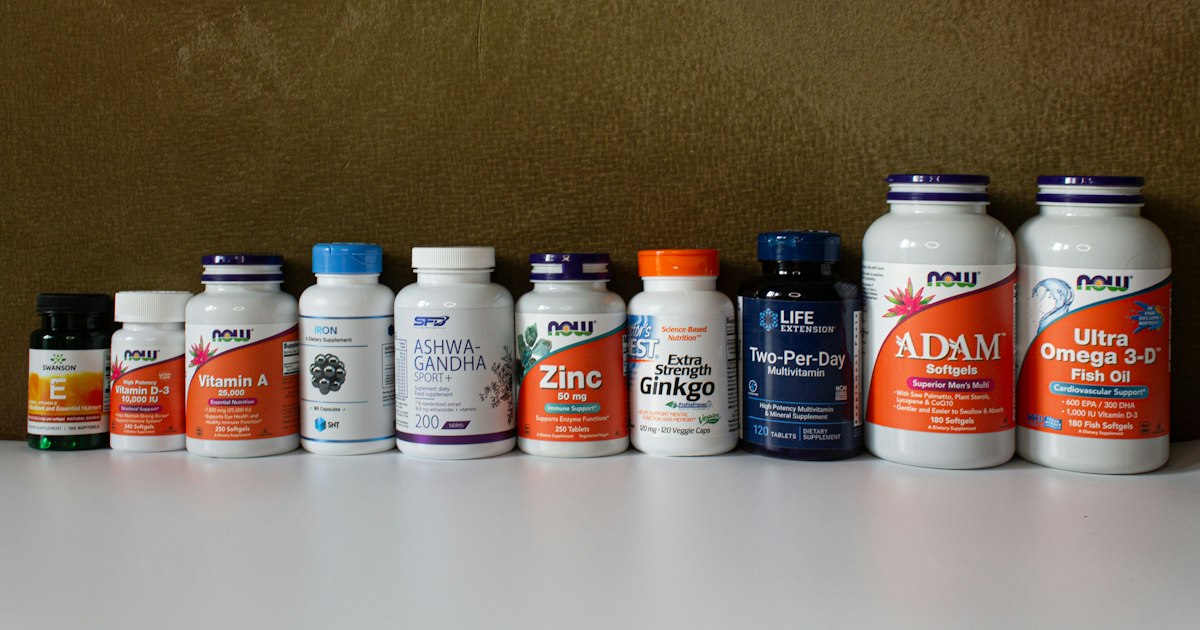
The history of the mass gainer: how the supplement became popular
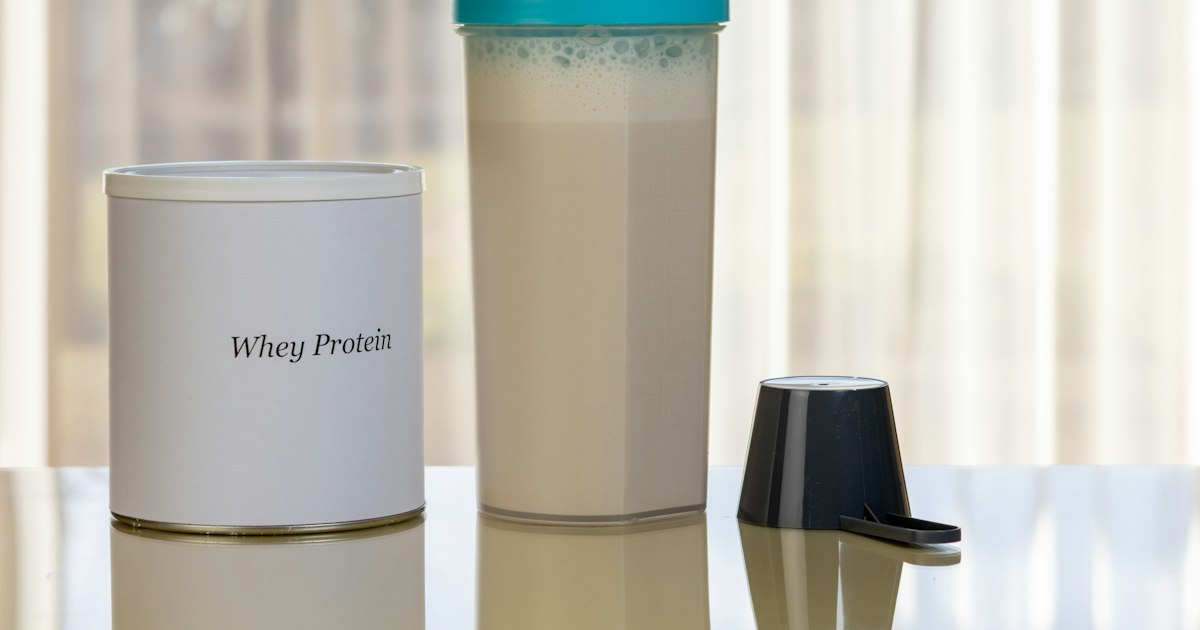
The mass gainer is one of the oldest categories of sports nutrition and at the same time one of the most controversial. It was considered mandatory for every 'skinny' beginner, then called expensive sugar in a jar. The editors traced how the idea of 'drinkable mass' appeared, how gainers changed over the decades and what from this history is confirmed by science.
Prehistory: milk, eggs and 'a gallon a day'
Long before powders appeared, athletes who wanted to gain weight did it in the simplest way - they ate more and drank caloric beverages. Strongmen and weightlifters of the first half of the 20th century were famous for enormous portions of milk, eggs, meat and bread. Milk was the most accessible source of protein, fat, carbohydrates and fluid all at once.
This is how the recommendation known in English-language bodybuilding as GOMAD - 'a gallon of milk a day' (about 3.8 L) - took shape. Such a volume provides about 2500 kcal and more than 120 g of protein. The method really did help skinny young people gain weight quickly, although a significant part of it was fat, and not everyone's digestion could handle it.
In parallel, homemade 'mass shakes' appeared in athletes' everyday life: milk with raw eggs, honey, cream, peanut butter. Raw eggs later became a thing of the past because of the risk of salmonellosis, and the very idea of liquid calories as a way to get around appetite limits became the basis of future gainers.
The logic was simple and remains relevant: it is easier to 'pour' fluid into yourself than to eat another plate of food. A person with a poor appetite or a fast metabolism can get an extra 500-1000 kcal without a feeling of overeating. It is precisely this physiological advantage that explains why gainers have not disappeared despite the criticism.
The first weight-gain powders
In the 1950s the first commercial protein powders appeared in the USA. One of the pioneers is considered to be Bob Hoffman, the founder of the York Barbell company, who sold protein mixtures based on soy. Other manufacturers offered powders made from milk and egg protein. These products were not yet called gainers, but they were advertised precisely as a means to 'gain weight and strength'.
Most early powders had an unusual taste, dissolved poorly and required mixing with milk. In effect, the 'gainer' back then was the shake itself: powder plus milk, banana, honey or ice cream. Bodybuilders of the 'golden era' of the 1960s-70s actively used such mixtures, and bodybuilding magazines published their recipes.
Gradually manufacturers began adding carbohydrates and fats to the powders so that the product would provide more calories on its own. Special 'weight-gain' mixtures appeared, which were sold to skinny teenagers and young men through advertising in comic books and sports magazines, often with promises of quickly transforming from a 'skinny' person into an 'athlete'.
The advertising of that time rarely relied on scientific data. Promises to gain several kilograms of 'muscle' in a week were commonplace, and it was precisely this tradition of aggressive marketing that made gainers an object of skepticism on the part of scientists and doctors.
| Period | A typical 'gainer' | The basis of the calories |
|---|---|---|
| The 1930s-50s | Milk, eggs, homemade shakes | Whole foods |
| The 1950s-70s | Soy, milk and egg powders + milk | Mostly milk and additions to the shake |
| The 1980s-90s | Mega-caloric mixtures | Maltodextrin, sugar, protein |
| The 2000s - today | Gainers with a balanced composition | Complex carbohydrates, protein blends, moderate portions |
The 1980s-90s: the era of mega-caloric gainers
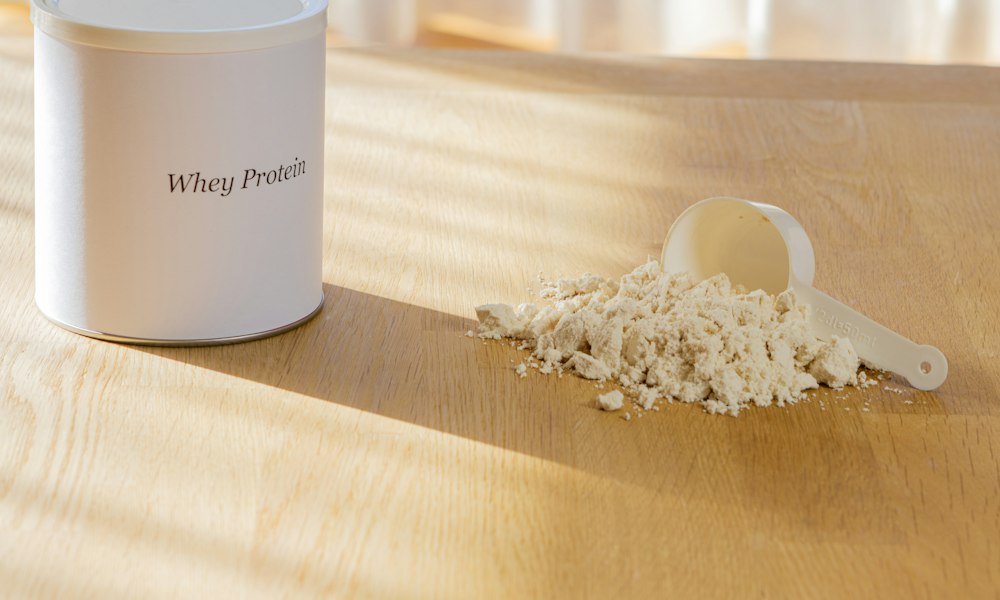
The real boom of gainers came in the 1980s-1990s, when the sports nutrition industry became mass-market. The technology for producing maltodextrin - a cheap, taste-neutral and highly soluble carbohydrate - made it possible to create powders with an enormous caloric content per serving.
In that period products appeared on the market whose single recommended serving provided over a thousand, and sometimes even two thousand, kilocalories. Protein made up a small share of them, and the bulk was maltodextrin and sugars. The advertising emphasized 'mass' and calorie figures as the main advantage.
These products really did help gain weight, since they created a large calorie surplus. However, in people without real appetite problems a significant part of the weight gained was fat. Large portions of simple carbohydrates often caused bloating, diarrhea and sharp fluctuations in glucose levels.
It was precisely at this time that the enduring image of the gainer as a 'product for skinny teenagers' took shape, which still influences the perception of the category. At the same time the market accumulated experience: manufacturers saw that buyers were disappointed by 'mass' made of fat and began to look for more balanced formulas.
Science and rethinking the category
There is comparatively little scientific research specifically on gainers. One notable work is the study by Rozenek and co-authors (2002), in which young men undergoing strength training received a high-calorie supplement. The groups with the supplement gained more body weight than the control group, and a significant part of the gain was fat-free mass. The study confirmed a simple principle: additional calories together with training promote weight gain.
In parallel, understanding of the role of carbohydrates for training developed. The joint position of the ACSM, the Academy of Nutrition and Dietetics and Dietitians of Canada (Thomas et al., 2016) recommends that athletes consume from 3-5 to 8-12 g of carbohydrates per kilogram of body weight per day depending on the volume of the load. The review by Burke and co-authors (2011) described in detail the carbohydrate needs for training and competition.
These data reframed the role of the gainer. It turned out that gaining muscle does not require a gigantic surplus: the reviews by Iraki and co-authors (2019) and Slater and co-authors (2019) advise a moderate surplus and a gradual increase in weight. The gainer came to be viewed not as a 'mass builder', but as a convenient source of calories and carbohydrates for those who cannot get them from food.
The attitude toward protein in gainers also changed. Studies showed that the optimal protein portion per intake is approximately 20-40 g, so a gainer with 10 g of protein per 1000 kcal came to look outdated.
The modern gainer: what has changed
Modern gainers differ noticeably from their predecessors of the 1990s. Manufacturers less often promise thousands of kilocalories per serving and more often offer products with 400-700 kcal and a higher proportion of protein. In the composition, besides maltodextrin, oat flour, starch and sometimes sources of healthy fats appear.
The main trends in the development of the category can be summarized as follows:
- a reduction in the share of simple sugars and an increase in complex carbohydrates;
- a larger share of protein with a combination of whey and casein;
- smaller, more realistic portions with the ability to adjust the amount;
- the emergence of gainers for specific purposes - for endurance, 'clean' gainers with a minimum of sugar;
- more attention to quality certification and transparency of composition.
However, the quality problem has not disappeared. Like other supplements, gainers can be contaminated with undeclared substances, and the IOC consensus (Maughan et al., 2018) reminds athletes of the risk of inadvertent doping through supplements. Therefore independent batch certification remains relevant for gainers too.
Finally, the target audience has changed. Today gainers are used not only by skinny beginners, but also by athletes with high energy expenditure - rowers, cyclists, fighters, team-sport players, who find it hard to eat the required amount of calories from ordinary food.
Editors' conclusions
The history of the gainer is a path from milk and homemade shakes to the mega-caloric mixtures of the 1990s and on to more balanced modern products. Only the basic idea has remained unchanged: liquid calories help those who find it hard to gain weight from ordinary food.
Science confirmed that a calorie surplus together with training promotes mass gain, but it also showed the limits: an excessive surplus yields mostly fat. Therefore the modern approach to the gainer is moderate portions, enough protein and an understanding of why it is needed.
A gainer is a tool for a specific task, not a mandatory stage for every beginner.
We also recommend reading our materials 'A gainer for women: are there any specifics', 'Casein on a bulk: does it make sense' and 'The history of casein: how the supplement became popular'.
References
- Rozenek R, Ward P, Long S, Garhammer J. Effects of high-calorie supplements on body composition and muscular strength following resistance training. J Sports Med Phys Fitness. 2002;42(3):340–347.
- Thomas DT, Erdman KA, Burke LM. American College of Sports Medicine Joint Position Statement: Nutrition and Athletic Performance. Med Sci Sports Exerc. 2016;48(3):543–568.
- Burke LM, Hawley JA, Wong SH, Jeukendrup AE. Carbohydrates for training and competition. J Sports Sci. 2011;29(Suppl 1):S17–S27.
- Iraki J, Fitschen P, Espinar S, Helms E. Nutrition recommendations for bodybuilders in the off-season: a narrative review. Sports. 2019;7(7):154.
- Slater GJ, Dieter BP, Marsh DJ, et al. Is an energy surplus required to maximize skeletal muscle hypertrophy associated with resistance training? Front Nutr. 2019;6:131.
- Maughan RJ, Burke LM, Dvorak J, et al. IOC consensus statement: dietary supplements and the high-performance athlete. Br J Sports Med. 2018;52(7):439–455.
- Jäger R, Kerksick CM, Campbell BI, et al. International Society of Sports Nutrition Position Stand: protein and exercise. J Int Soc Sports Nutr. 2017;14:20.
Andriy Melnyk
A strength-sports coach and author of programs for beginner and intermediate levels. Writes about training planning.